Who is iSpeakOnly for?

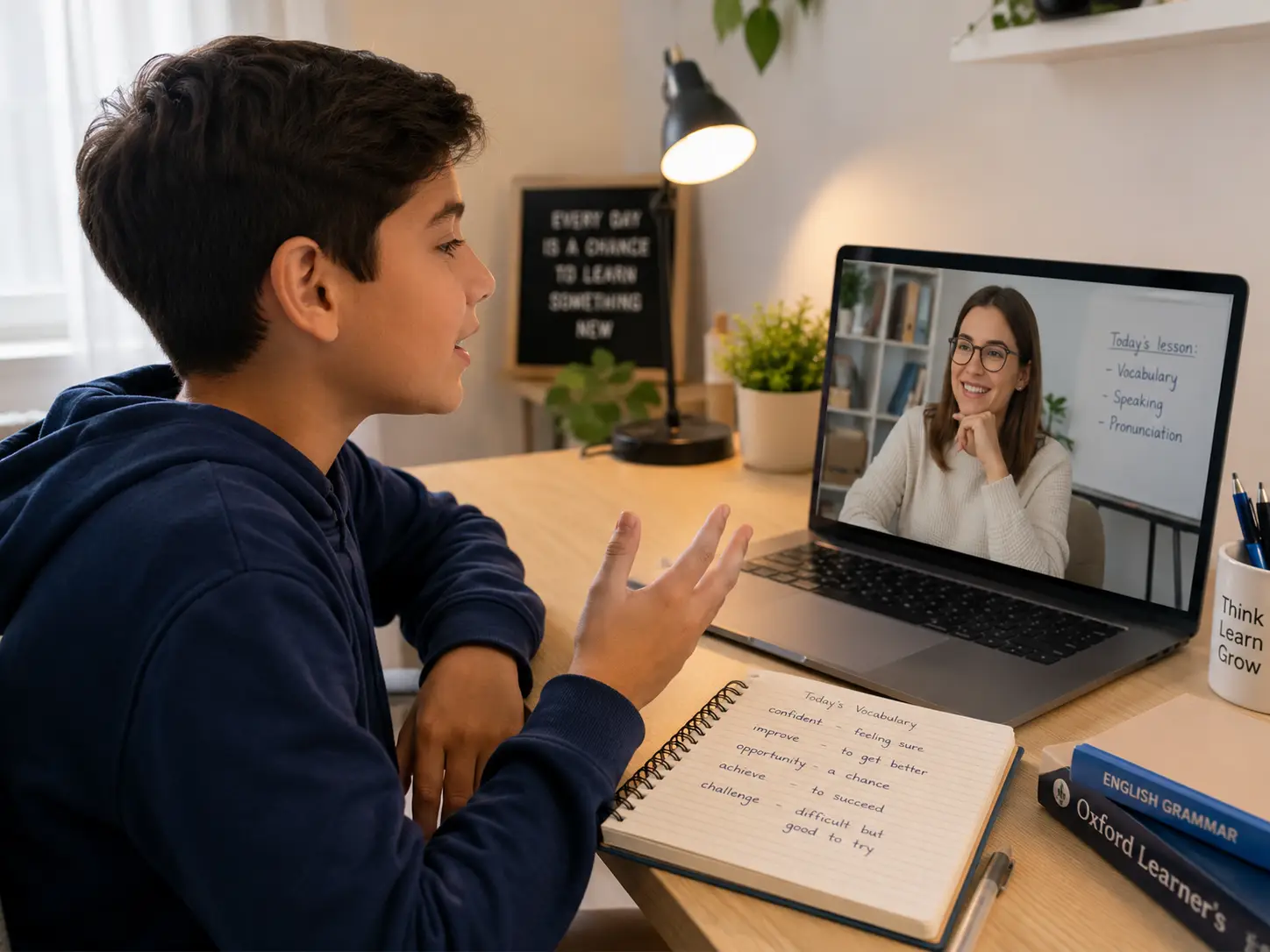
iSpeakOnly is for parents who want their child to speak more clearly, not just study English. Our lessons give learners active speaking time, guided practice, and teacher support so they can build confidence through real use.

Register Your Child Here

Join iSpeakOnly if your child studies English but still struggles to speak.

Your child may understand English, but gives short replies, feels nervous, hesitates, or avoids speaking. iSpeakOnly helps learners practice speaking more often and build confidence.

Join iSpeakOnly if you believe speaking improves when learners actually speak.

Reading, listening, grammar, and vocabulary help learners understand English. But speaking improves by speaking. Learners get better when they answer, explain, receive correction, and try again.

Join iSpeakOnly because our lessons are built around Learner Talk Time.

The teacher guides, but the learner does most of the speaking. Your child answers, practices, receives correction, and builds stronger responses through active class time.

Join iSpeakOnly if your child is ready for focused speaking practice.

iSpeakOnly is usually better for learners aged 12+ because the program requires focus, preparation, responsibility, and active participation. Younger children may need more games, movement, and entertainment-style lessons.

Join iSpeakOnly if your child can do some preparation before class.

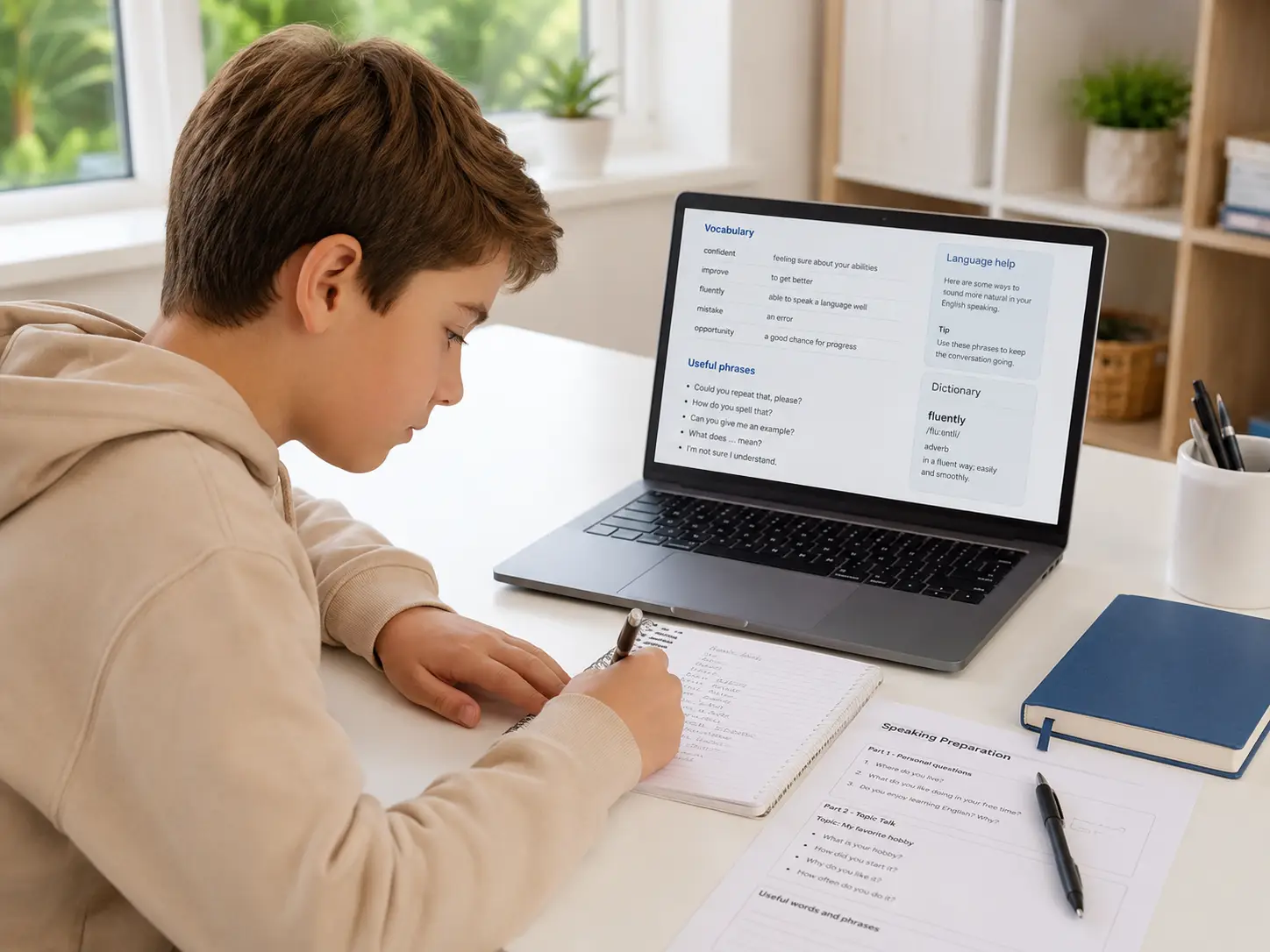
Learners prepare useful words, phrases, and ideas before class using AI, dictionaries, translation tools, or parent support. This is preparation, not cheating. Class time is for speaking.

Join iSpeakOnly if your child is ready for active speaking practice.

This program is right for learners who can prepare before class, speak actively, follow teacher guidance, and improve through practice.

See How It Works for Learners

Common Questions from Parents

Why do you usually recommend this program for learners aged 12+?

Because the lessons require focus, preparation, responsibility, and active speaking. Younger children can learn English, but they often need more games, movement, and entertainment-style lessons.

This course is most suitable for learners who have already studied English for some time. In simple terms, we usually describe them as A2 learners, not absolute beginners.
The learner should already understand some basic English, be able to follow simple instructions, and be willing to speak during class.
This course is also suitable for learners who can use digital tools, such as AI, dictionaries, or translation tools, to help them prepare before class.
Most importantly, the learner should want to improve their speaking, not just complete another English course.


 

Yes. Preparation helps your child speak more during class. They review useful words, phrases, and ideas before the lesson.

Yes. AI, dictionaries, translation tools, and parent support can help with preparation. Class time is then used for speaking, correction, and guided practice.

Before class, parents should make sure the learner completes the preparation task according to the instructions.
In some homework tasks, learners may use AI, dictionaries, translation tools, or other digital tools to understand difficult words, phrases, or grammar points. However, in some tasks, such as making their own sentences or completing matching exercises, learners may be asked to work without digital help.
Parents should check the homework instructions carefully and make sure the learner follows them.

During class, parents should make sure the learner has a quiet place to study and is not distracted by a phone, games, toys, or other devices.
It is also helpful for parents to observe the first few classes quietly, especially at the beginning. However, parents should not answer for the learner or interrupt the class.
If the learner struggles at first, this is normal. Speaking takes time, and many learners need a few classes to adjust to the iSpeakOnly method.

After class, parents can help the learner complete the class assessment form.

No. Grammar may be corrected during class, but the main focus is speaking practice and clearer communication.